
Soil Essentials For Fruiting Lemon Trees
Healthy soil shortens the wait for a lemon tree to set its first crop and keeps yields steady thereafter. Lemon trees prefer a porous, slightly acidic medium that supplies steady nutrients, drains freely, and supports a vigorous root system. Poor soil delays flowering, increases susceptibility to pests and diseases, and often causes sparse or misshapen fruit.
Ideal Soil Characteristics for Lemon Trees
Lemon roots need a balance of structure and nutrition. A sandy loam texture with 10 to 20 percent organic matter offers firmness for anchorage and enough porosity for oxygen. Bulk density should remain low so roots can expand. Soils with persistent compaction or heavy clay will hold water, provoke root rot, and push trees into a long juvenile phase before fruiting.
Soil pH and Nutrient Availability
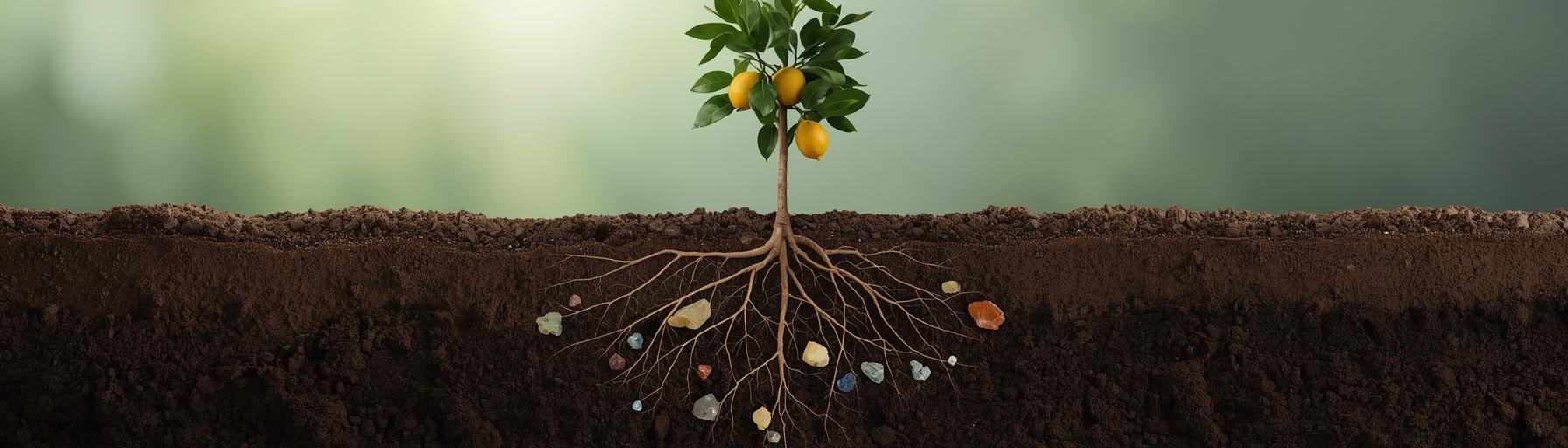
Target pH is 5.5 to 6.5 for most lemon cultivars. Within this range iron, manganese, zinc, and other micronutrients remain plant-available. Alkaline soils above pH 7 commonly cause iron chlorosis in citrus, which reduces vigor and flowering. When soil tests show pH outside the optimal band, apply elemental sulfur to lower pH or ground limestone to raise it. Micronutrient deficiencies respond best to soil-applied chelates or foliar sprays combined with pH correction.
Drainage and Aeration Considerations
Proper drainage prevents root pathogens such as Phytophthora. Plant in raised beds or on mounds where rainfall or irrigation is heavy. For in-ground trees ensure site slope and soil texture move water away from the root zone. For containers choose mixes that include coarse particles to maintain aeration and avoid waterlogging.
Best Potting Mixes for Container-Grown Lemon Trees

Container mixes must drain fast while retaining some moisture. High quality mixes combine pine bark, coarse sand, and compost or coconut coir. Slow-release citrus fertilizers can be blended into the potting medium at planting to feed early root growth.
Best Garden Soils for In-Ground Lemon Trees
Loamy garden soils amended with 20 to 30 percent well-rotted compost and coarse sand where needed provide the best start. When native soil is heavy, excavate a planting hole two to three times the root ball diameter and backfill with amended mix, leaving the final soil surface slightly raised to discourage pooling.
DIY Soil Mix Recipes and Proportions
Below are practical formulas used by nurseries and home growers. Volumes refer to parts by measure. Use clean, screened components and avoid fresh manure.
| Mix name | Components by volume | Ideal use |
|---|---|---|
| Standard container citrus | 4 parts pine bark fines, 2 parts coarse sand, 1 part compost | Young trees in 20–40 L pots |
| Fast-drain container | 3 parts bark, 3 parts perlite, 1 part coconut coir | Hot, humid climates or frequent watering |
| In-ground amendment | 6 parts native soil, 2 parts compost, 1 part sharp sand | Clay or compacted sites |
| Recovery blend | 3 parts sand, 2 parts compost, 1 part pumice | Trees with root disease needing improved drainage |
Organic Amendments and Soil Conditioners
Compost, aged wood chips, and well-rotted manure improve structure and microbial activity. Add 1 to 3 inches of compost to surface soil and incorporate lightly in the top 6 to 12 inches. Gypsum can help flocculate sodic clays without changing pH. Avoid raw manure against roots.
Choosing Commercial Mixes and What to Look For
Select mixes labeled for citrus or fruit trees that list coarse bark, perlite or pumice, and a stable organic fraction. Avoid mixes heavy in peat alone. For in-ground planting, choose a product with balanced slow-release fertilizer and guaranteed micronutrients.
Rootstock and Soil Compatibility
Rootstock determines tolerance to soil types and pathogens. Carrizo and C-35 provide vigor and are suited to deep, well-drained soils. Flying Dragon and trifoliate types reduce root vigor for containers and tolerate heavier soils. Volkameriana performs well in sandy soils and tolerates salinity better than some rootstocks.
Soil Preparation Before Planting or Transplanting
Prepare the planting area by removing weeds and perennial grass. Work amendments into the top 12 to 18 inches. For transplanting, avoid disturbing the root ball more than necessary. Set graft unions above soil line to prevent root suckering and disease.
Watering Practices and Soil Moisture Management
Aim for evenly moist but never saturated soil. Allow the upper 2 to 4 inches of potting mix to dry between waterings for containers. In-ground trees benefit from deep, infrequent irrigation that wets the entire root zone to encourage deep rooting.
Fertilization Strategies Tailored to Soil Types
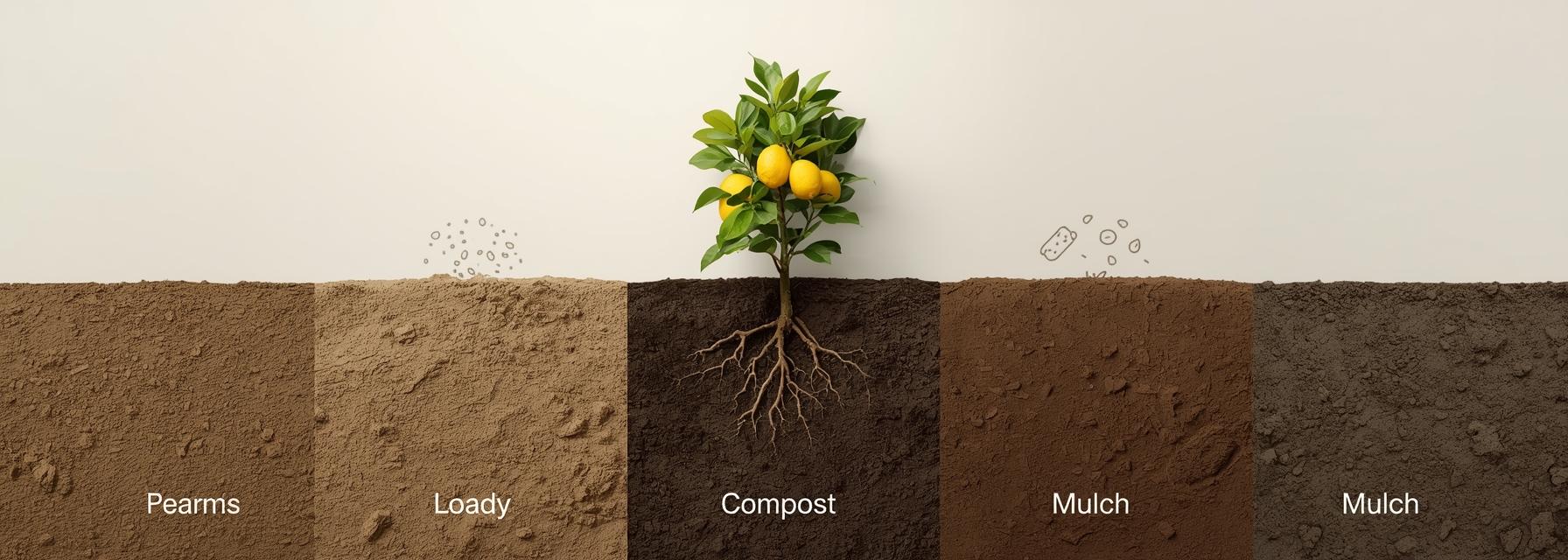
Apply low salt, citrus-specific fertilizers with micronutrients three times per year in the growing season for in-ground trees. Sandy soils leach nutrients quickly and may require smaller, more frequent applications. Clay soils hold nutrients but can lock out iron at high pH, needing chelated iron or pH correction.
Repotting Intervals and Soil Refreshing Techniques
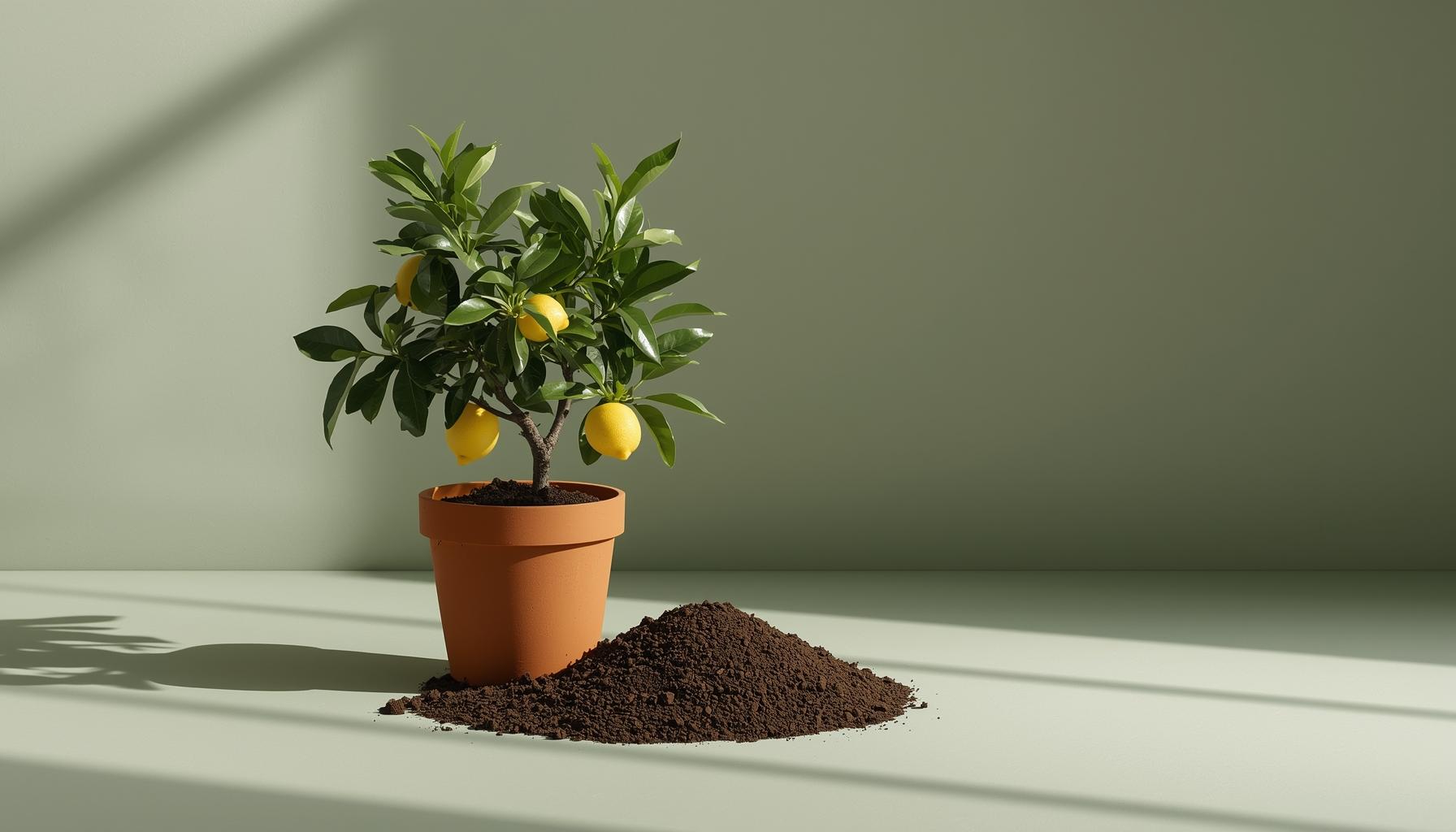
Repot small trees every 18 to 36 months to renew medium and check roots. For larger container trees refresh the top third of media annually and replace fully every 3 to 5 years. Always inspect for root bound conditions and prune circling roots before replanting.
Soil Testing: When and How to Test
Conduct a full soil test before planting and thereafter every two to three years or when symptoms appear. Test includes pH, texture, organic matter, electrical conductivity, and a basic nutrient panel. Extension services provide region-specific interpretation and amendment rates.
Common Soil-Related Problems and Remedies
Waterlogged soils lead to root rot; remedy with improved drainage and, if needed, fungicide treatment. Iron chlorosis requires lowering pH and foliar iron treatments in the short term. High salts call for deep leaching with freshwater and replacing affected media in containers.
How Soil Impacts Time to First Fruit
Well-drained, nutrient-balanced soils accelerate root establishment and promote earlier flowering. Grafted nursery trees in ideal soil can bloom within 1 to 3 years, while seed-grown trees often require 4 to 7 years or longer. Soil limitations extend the juvenile period and reduce early yields.
Adjusting Soil for Climate and Local Conditions
In cooler climates, choose a mix that holds more heat and drains quickly to avoid cold soaked roots. In arid zones increase organic matter to retain moisture while maintaining drainage. Local extension recommendations provide region-specific adjustments for best results.
Mulching and Surface Soil Care
Apply 2 to 4 inches of organic mulch over the root zone, keeping mulch away from the trunk. Mulch moderates soil temperature, reduces evaporation, builds organic matter, and supports beneficial organisms.
Long-Term Soil Health and Microbial Life
Promote a diverse soil biology by adding compost, avoiding excessive chemical use, and practicing cover cropping in open areas. Beneficial microbes improve nutrient cycling, heighten disease resistance, and sustain productivity year after year.